Bibliostan
← Back
English کوردی

Bibliostan


Bookmaking workshops


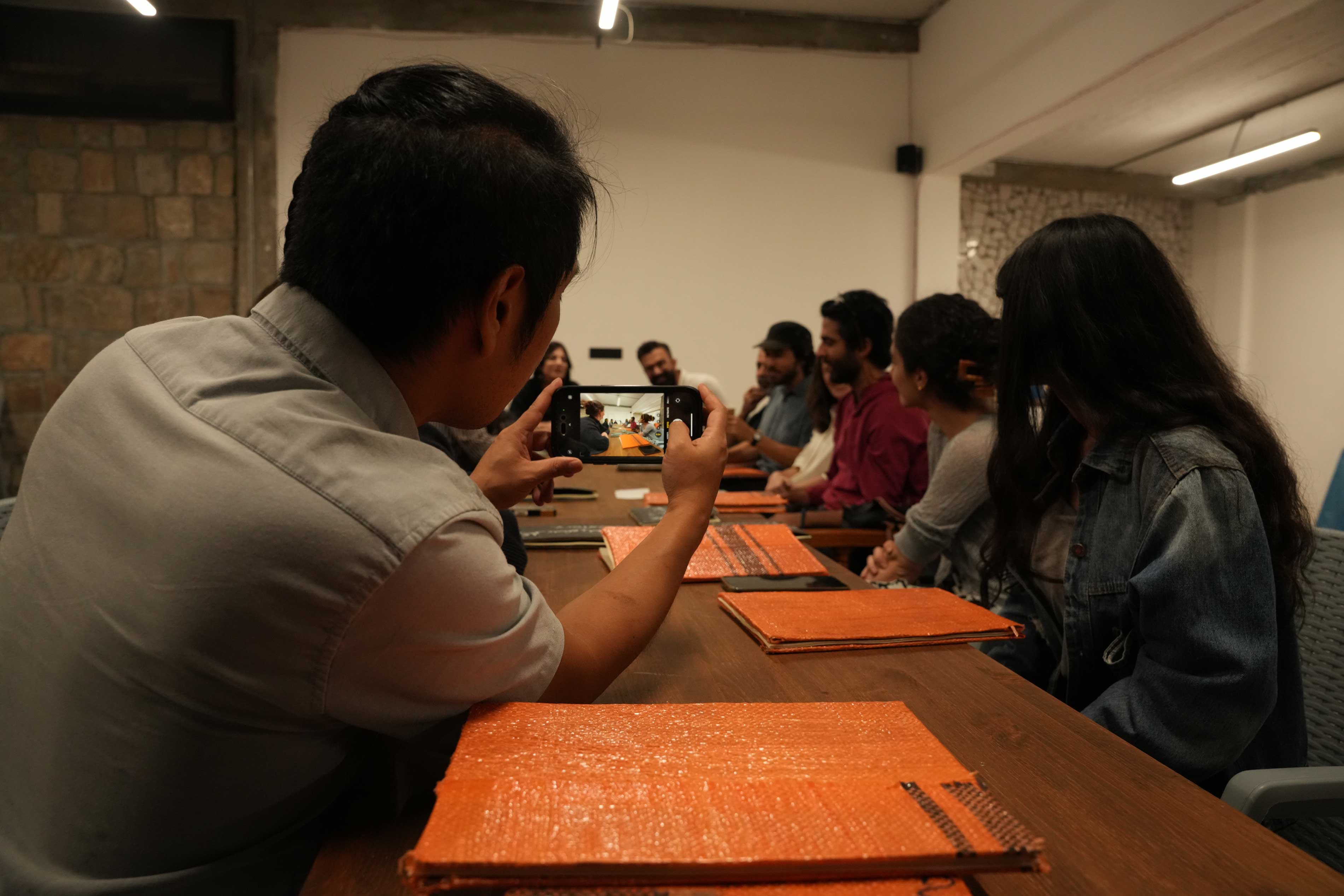
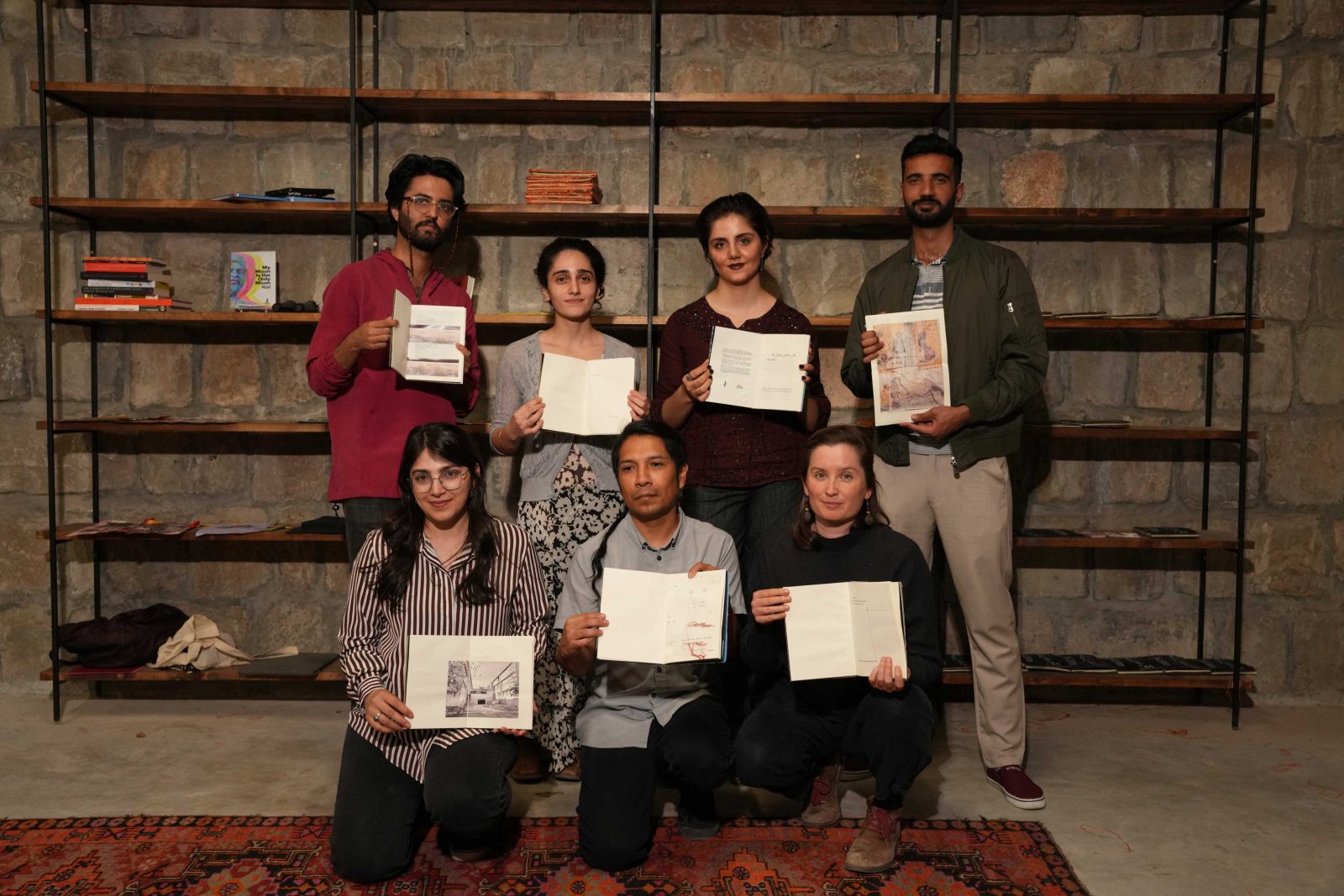
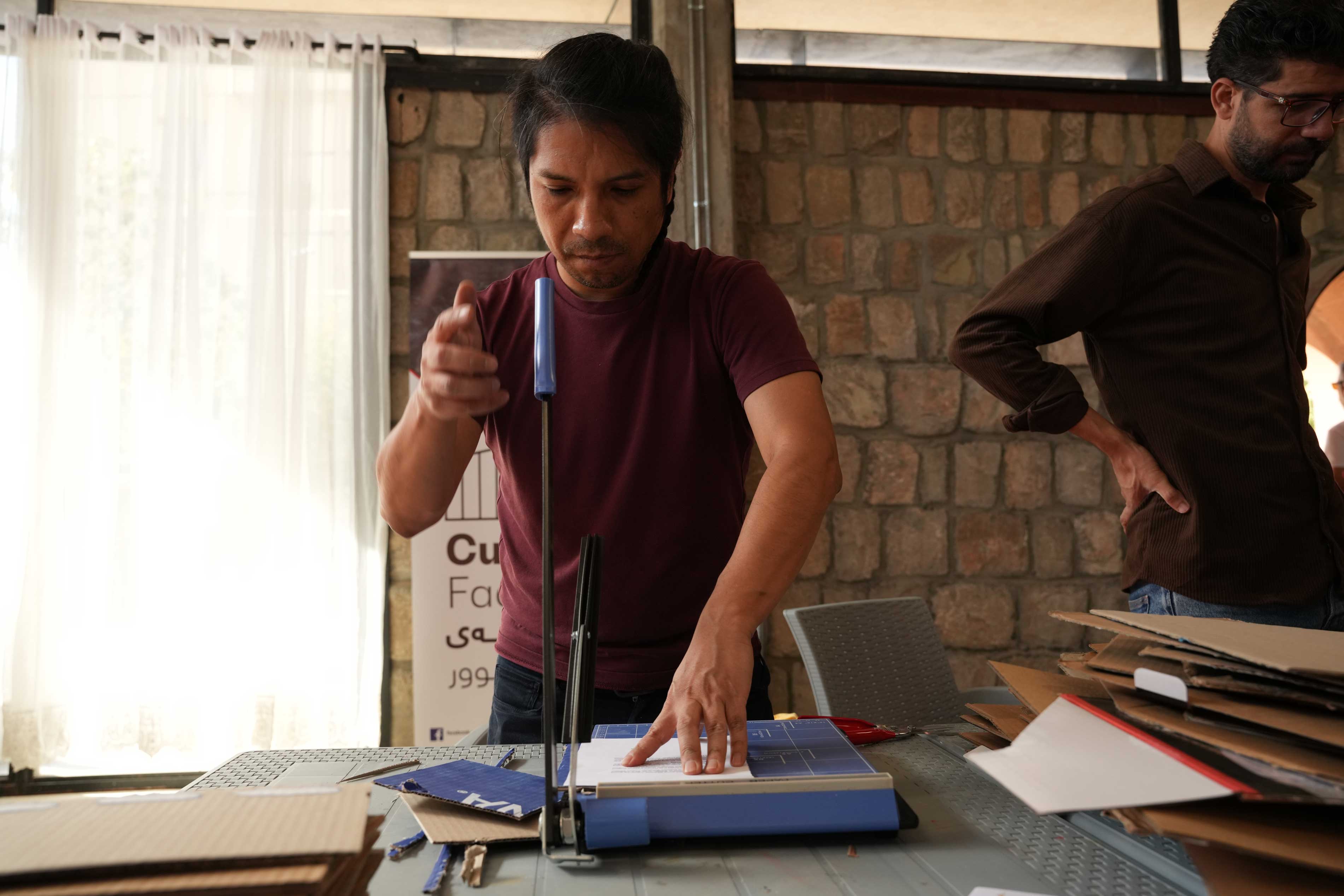
The Bibliostan workshops explore artistic and thoughtful approaches to bookmaking. The workshops are focused on process, and are discussion-oriented; discovery-oriented. They draw on different traditions of bookmaking, ancient practices and new techniques, to experience different sensibilities of book production. Each workshop brings interesting overlaps and important divergents to editorial processes, and goes back to archives as the primary materials of the books, using found materials, materials with memory and history. 

English کوردی

Counter-mapping in Poetry

A workshop on visual–textual mapping in poetry and translation.

English کوردی

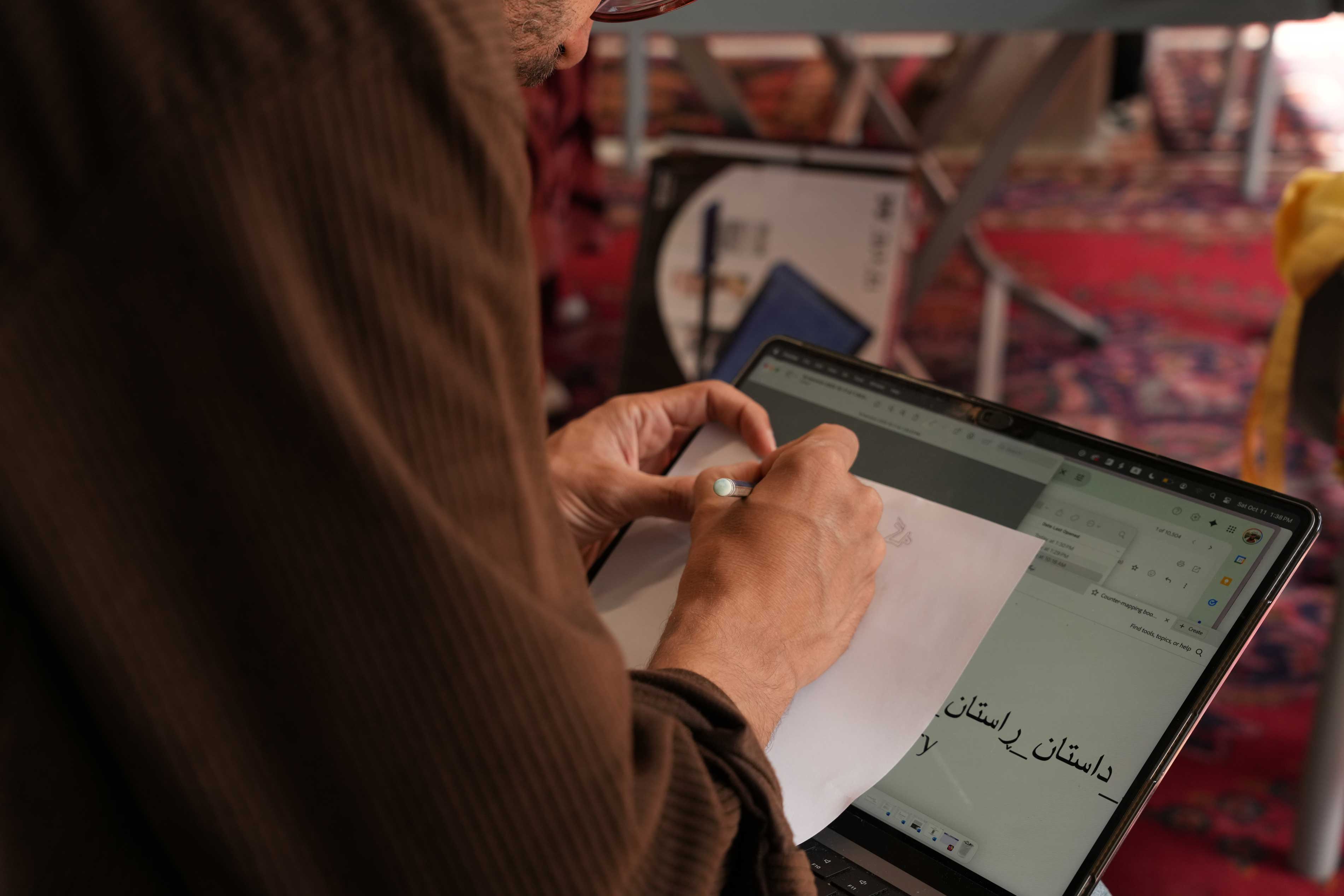
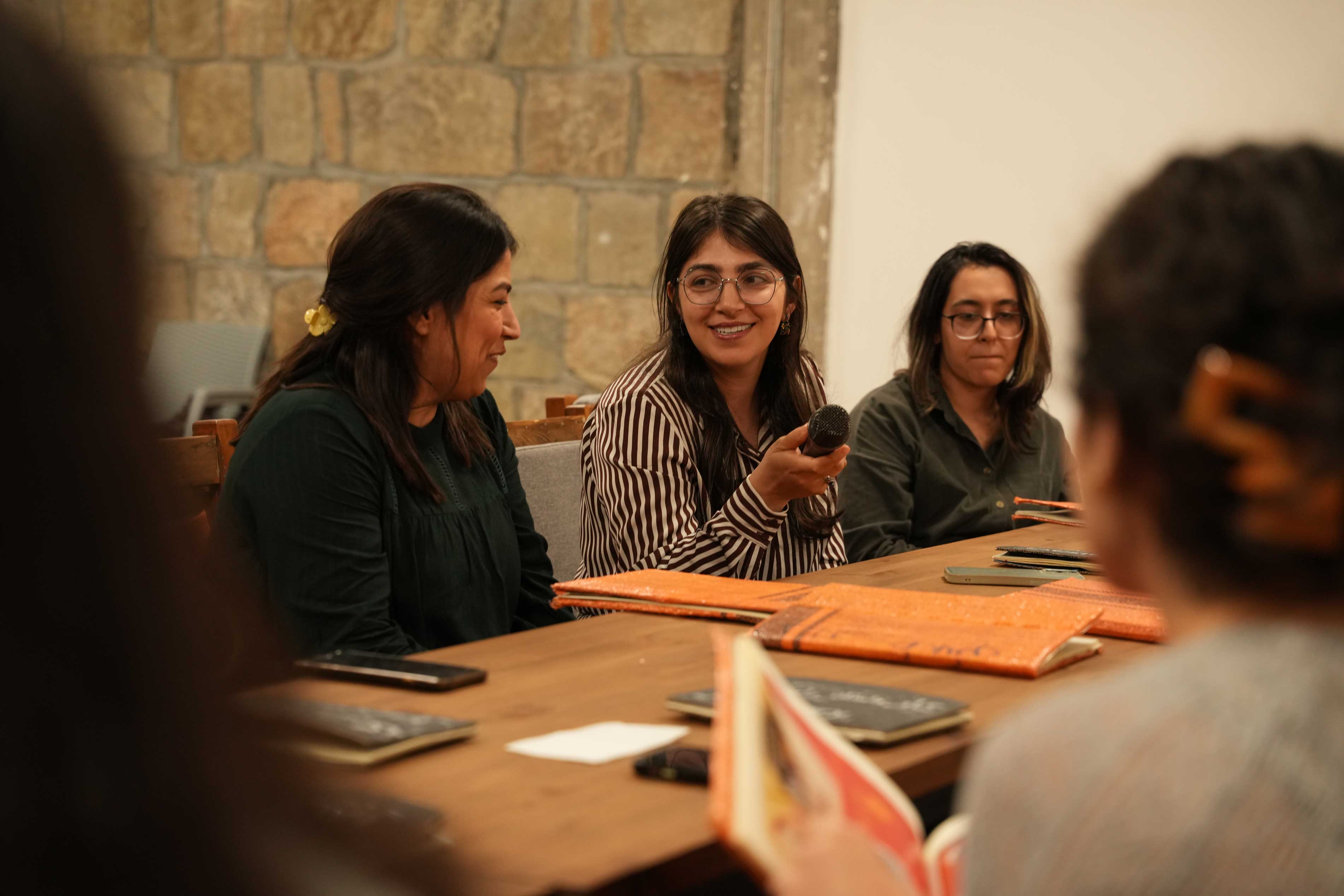
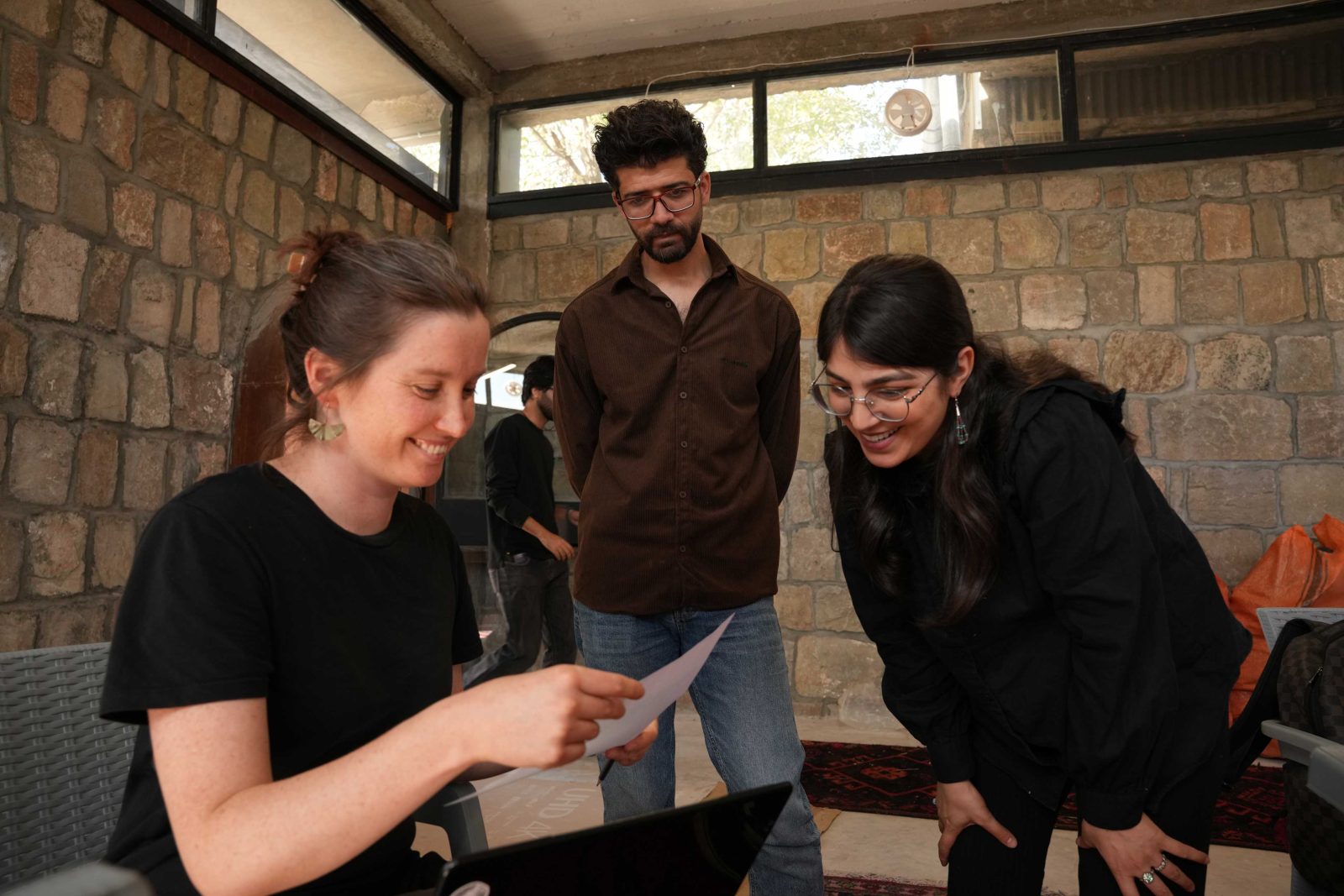
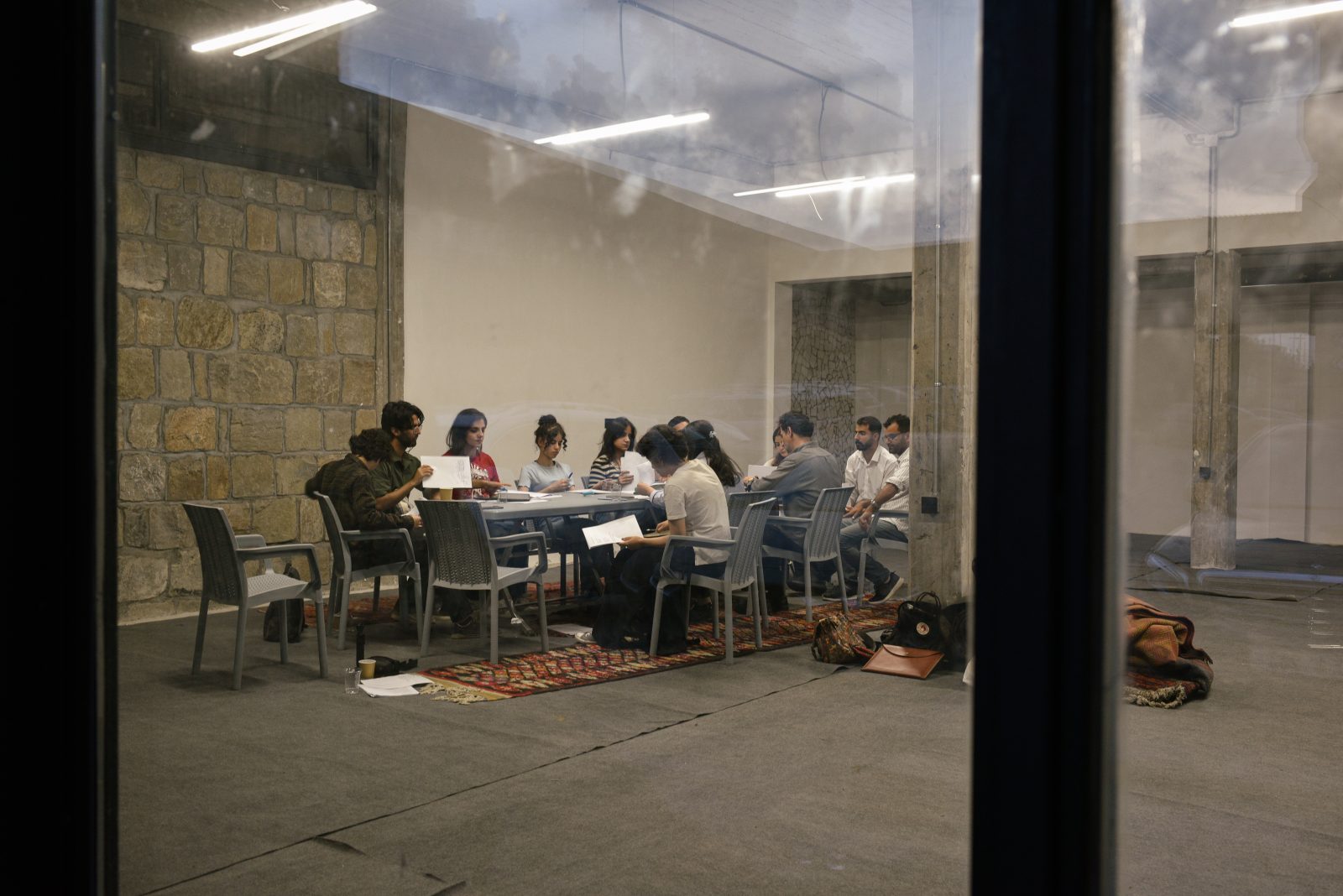
This workshop centered on counter-mapping the geographical and physical space of Slemani’s Culture Factory, exploring visual and textual ways of representing space at the intersection of poetry and cartography. Grounded in the visual, textual practices of poets and artists from the Latin American avant-garde, concrete poetry, documentary poetry, and critical cartography, we examined how power accumulates in public spaces, how what is visible has been shaped, and how that shaping informs perception in the present. 

The workshop leaders developed prompts in relation to the site itself, guiding participants to counter-map the space through generated and translated poems. The texts considered the visual presence of space in language and invited new ways of thinking about margins, thresholds, and the lines that separate and connect different spatial bodies. We explored questions of project selection and textual practice, looking at examples of poems and lines before and after revision.

This workshop was designed for poets interested in integrating new tools, literary traditions, and spatial and ethical orientations into their practice, and in developing an investigative project about a place with which they are in active relation. 

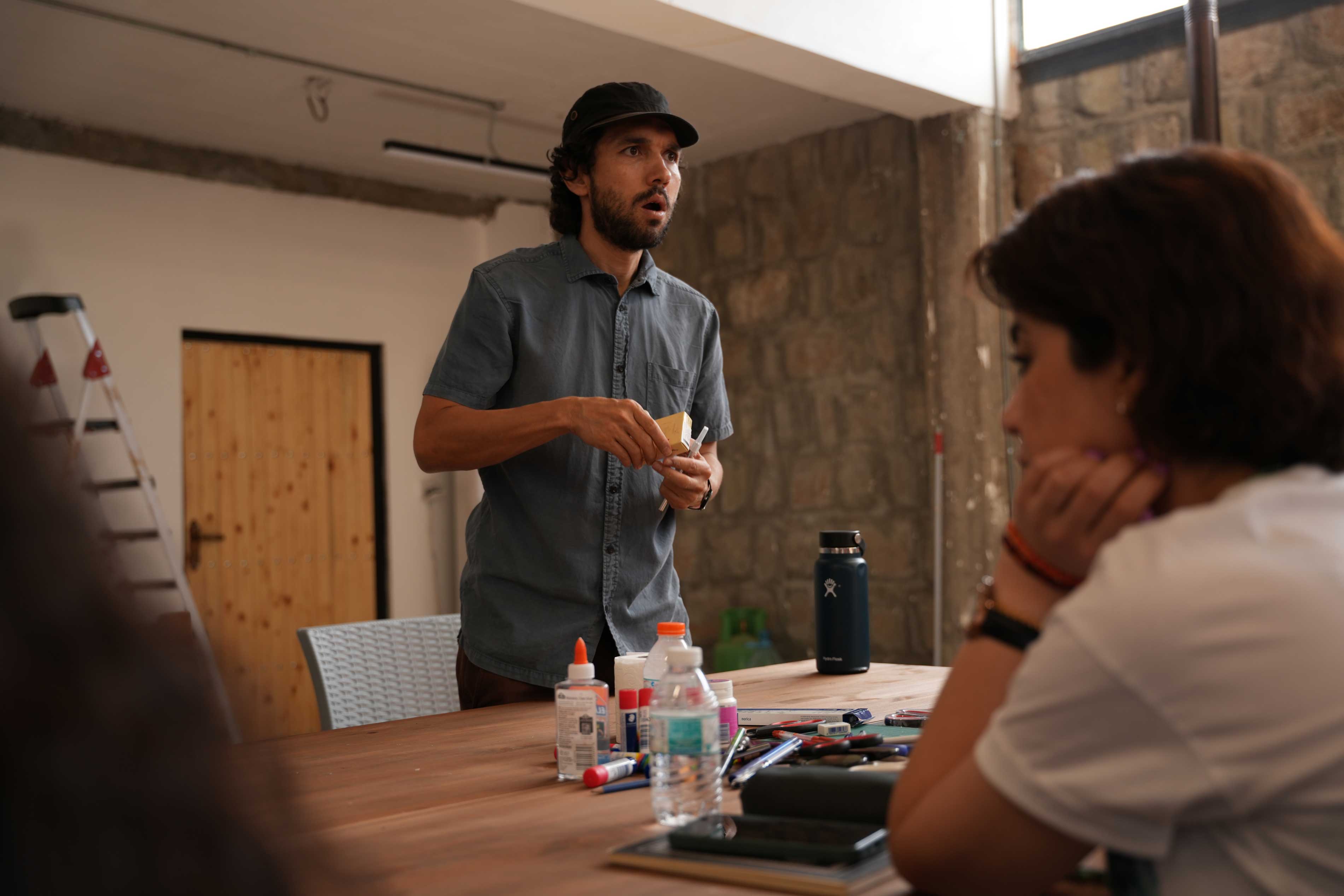
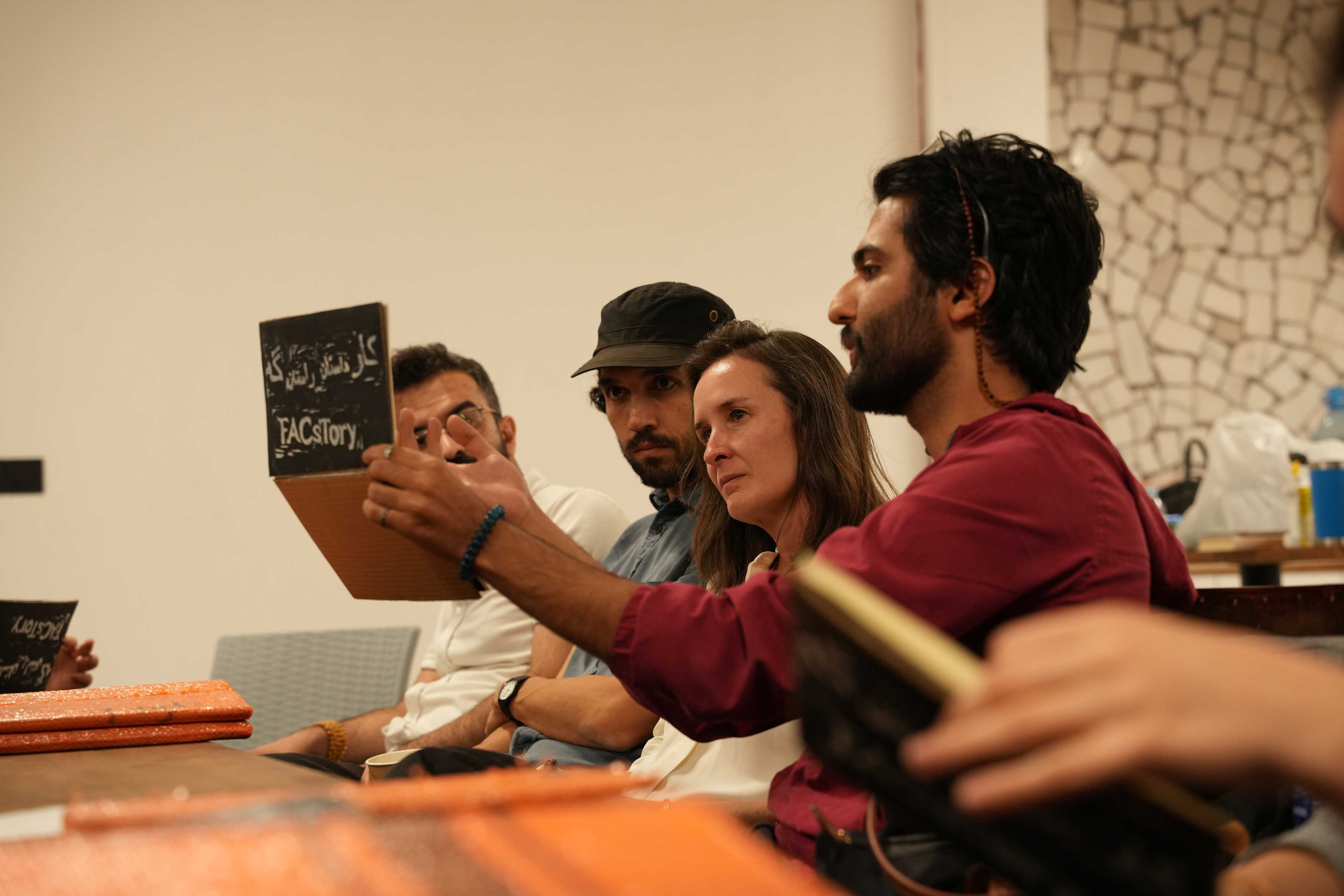
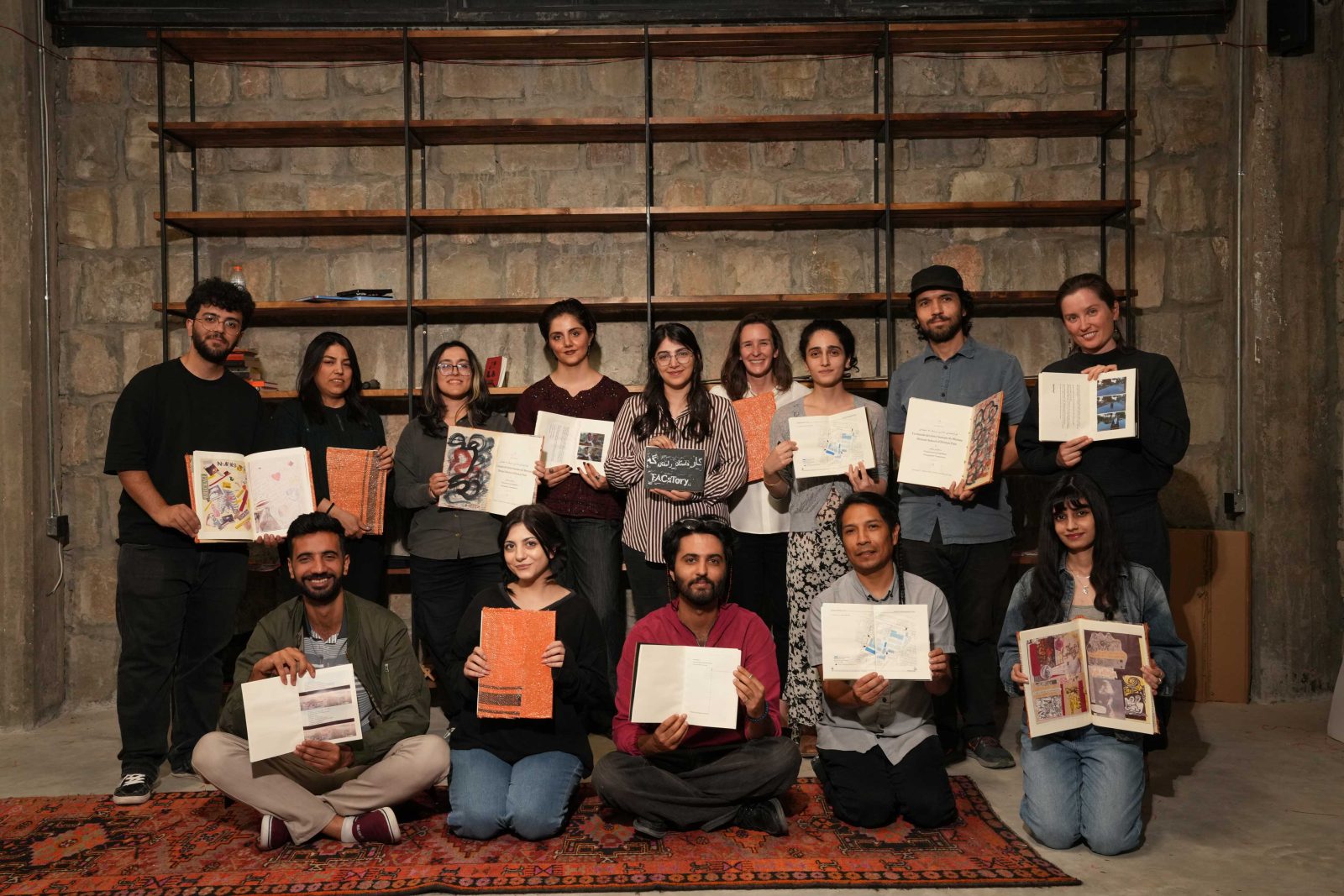
Counter-mapping in Poetry was designed and led by Giancarlo Huapaya and Honora Spicer, directors of Cardboard House Press, based between Peru and the United States. Working with historical documents and maps, they approached space in poetry and in translation as a political field. The workshop culminated in a selection of visual poems in writing and translation, titled “FACsTORY.”

English کوردی

The School of Human Pain

A workshop on collage, writing, translation and publishing.

English کوردی

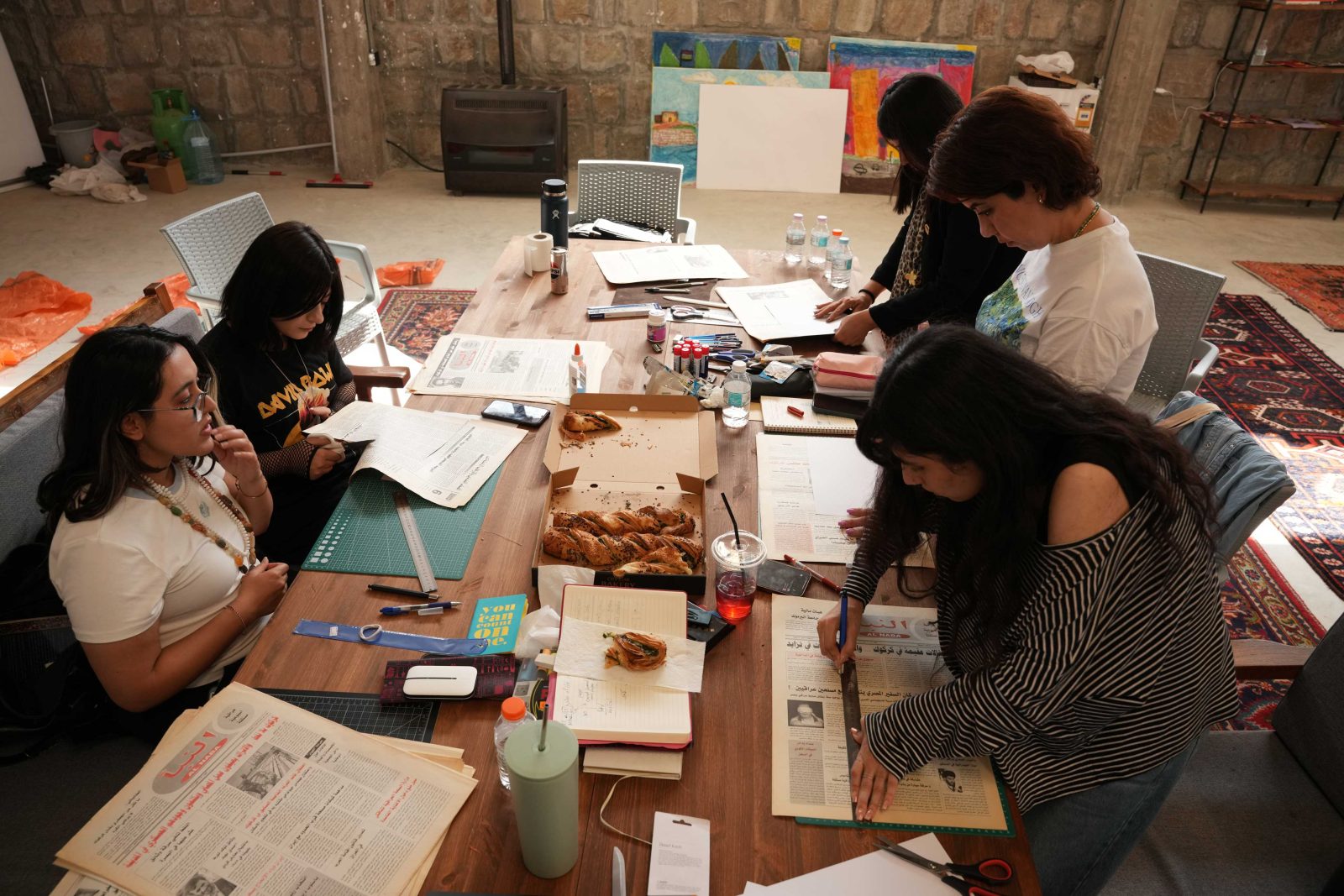
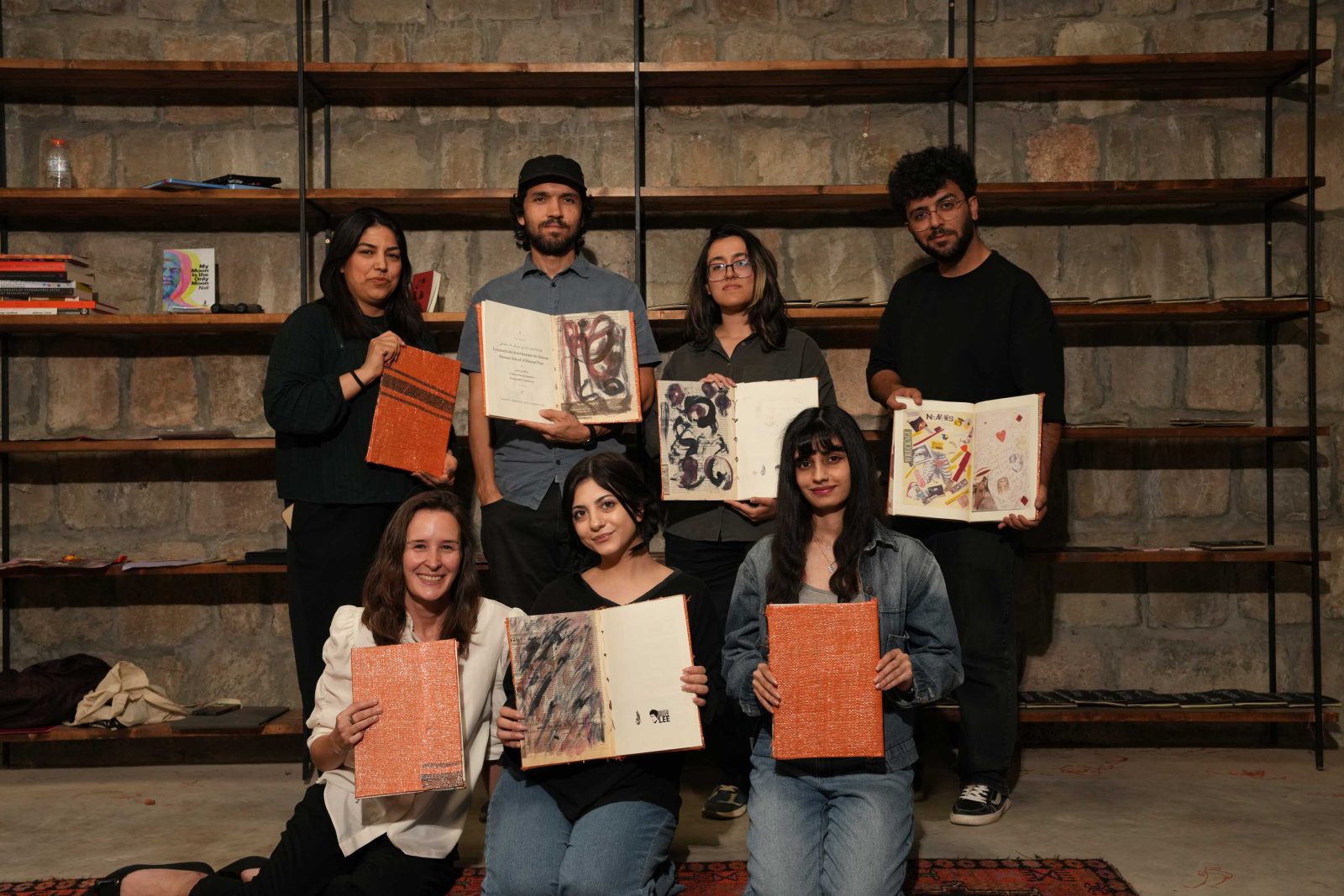
This workshop centered on creating a handcrafted book in short run editions ( 35 copies), as a shared experience and as an expansion and colluding of reading, writing, translation, illustration, pedagogy and art.

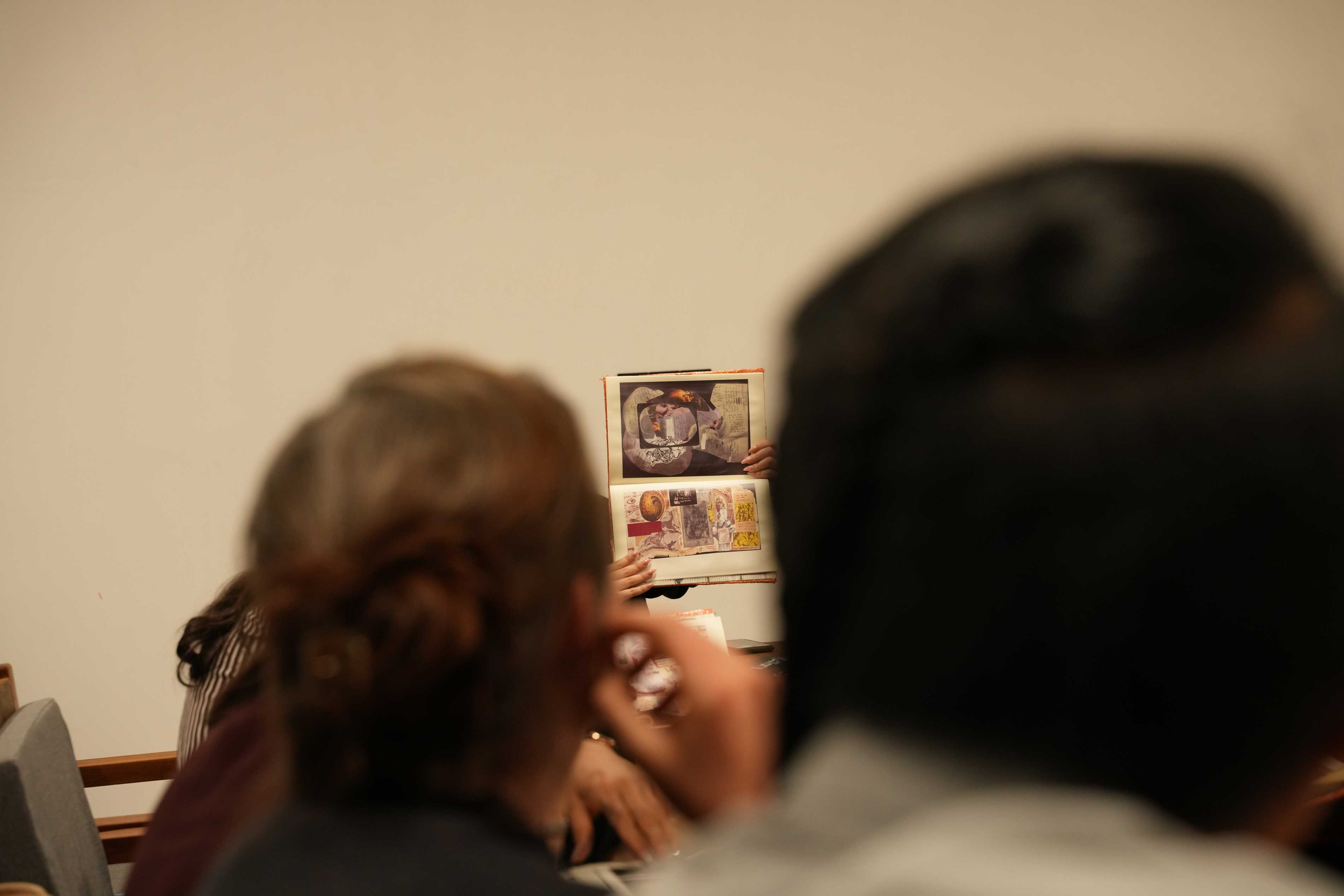
The primary reading material was Mario Bellatin’s novel The School of Human Pain that revolves around the questions of representation and pain, delving into the complex relationship between art and violence. If pain is inevitable and omnipresent, what can we do with it?  “Now that you find yourself far away, allow me to tell you, here, surrounded by dozens of corpses, that there is no goal. Sorry, actually, yes: to make a book", writes Bellatin. Using The School of Human Pain (composed of rules and scenes), as a guiding codex, as well as other curated materials to build upon, participants generated writings and collages that formed part of an ever growing Archive of Pain. 

The workshop invited participants into a live, open reading of Bellatin’s fractured book, to generate new writing (alphabetic and pictographic), reading and writing as an act of archeological speculation and translation, creating fragments of new languages, possible ways of representing human pain –it’s causes, context, and consequences. 

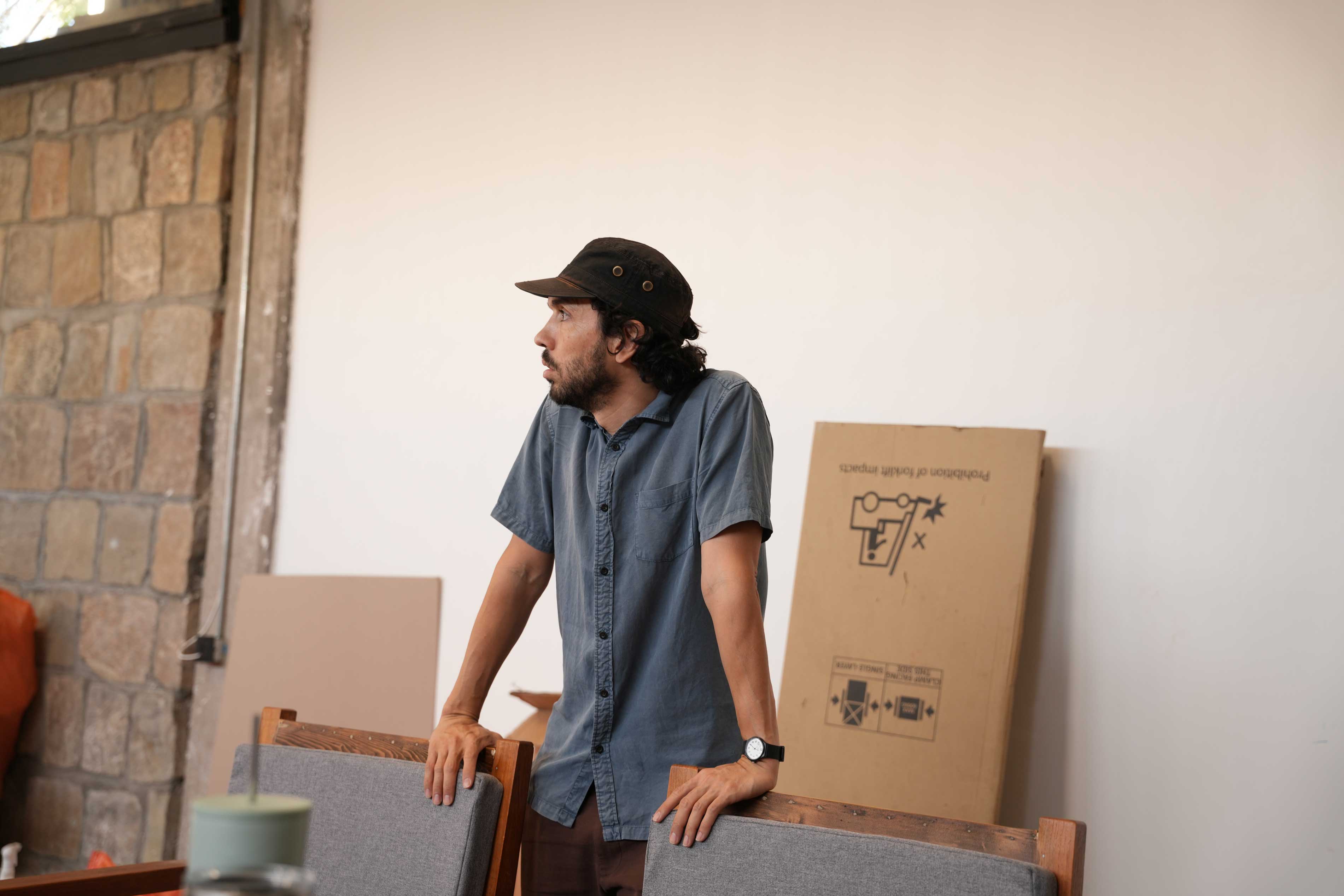
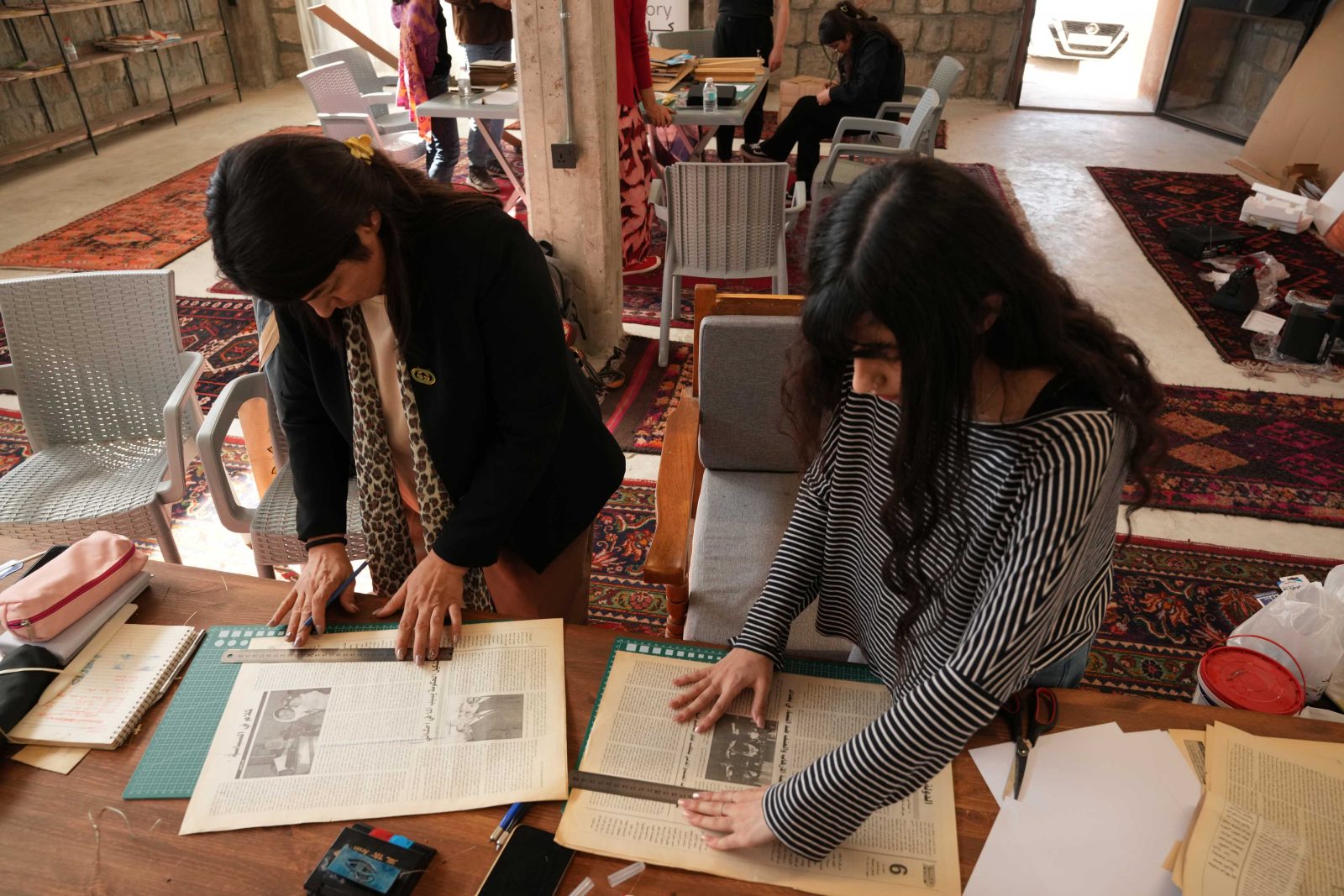
The School of Human Pain was led by Erasmo Pantojaa, writer, translator, editor, and director of Biblioteca Popular Bruce Lee publishing house, from Colombia. Participants followed prompts to use papers pulped from lost archives, and went from teaching to learning to playing together, to work with what we have. The workshop was also an introduction to the art of collage and an approach to the archive and an approach to the page. Participants worked on composition, translation, and design.
English کوردی
English کوردی

Giancarlo Huapaya

is an editor, writer, curator, and educational facilitator. His latest book, [gamerover], is a counter mapping in poetry of a neighborhood in Phoenix, Arizona which puts in tension history, language and landscape to reveal trajectories of violence and white supremacy. Huapaya’s practices focus on the archive, critical cartography, language justice and in the dialogues between poetry and the visual arts. He is the Editorial Director of Cardboard House Press, a project dedicated to the publication of Latin American literature in translation to English and the creation of bilingual spaces in the United States. As a curator of poetics, he has presented exhibitions at the Mission Cultural Center for Latino Arts in San Francisco, the University of Arizona Poetry Center in Tucson and the Institute of Contemporary Art in Los Angeles. As literary translator, he has translated into Spanish work by Muriel Rukeyser, C.D Wright, Susan Briante, Carmen Giménez Smith, Zêdan Xelef, among others.

English کوردی

Honora Spicer

is a historical researcher, writer and literary translator. Her writing has appeared in Boston Review, Asymptote, Jacket2, World Literature Today, and elsewhere. She researches textual and geographic infrastructures of state-building, with a focus on United States and Mexico borderlands in the 19th and 20th centuries. Her first book project, POST BOND: Postal Constructions of Bordered Space in El Paso, TX, 1848-1967, is a history of the US Post Office in the construction of empire and carceral geographies; not just mailing letters but making space. A literary translator from Spanish to English, her translations have been published by Cardboard House Press and Tripwire Editions. She is part of the leadership of Cardboard House Press and des/centro de poesía and leads bookmaking workshops with Cartonera Collective. She is a Ph.D. candidate in History at Harvard University and holds a BA in History and English Literature from Oxford University.

English کوردی

Erasmo Pantoja

is a writer, translator, editor and bookmaker from Colombia. Since 2016 he runs the artisanal press Biblioteca Popular Bruce Lee, in collaboration with Mónica Mejía, publishing a mingling of contemporary writings, exhumations and translations. The press is a collaborative crucible of bookcrafts and other gestures, and each handcrafted publication contributes to the ongoing construction of a wandering, dissipating library. 

KashKul Watermark