

FIRST
KURDISH
STUDIES
FORUM
یەکەمین
دیداری
کوردناسی
Oct SAT 25
٢٥ تشرینی یەکەم شەممە
The Kurdish Studies Forum is an international, dynamic space for Kurdish Studies. A platform for research and dialogue, the Forum connects traditional Kurdish cultural expressions and modern scholarly inquiry to support preservation, innovation and interdisciplinary scholarship, ensuring that Kurdish heritage is accessible, celebrated, and critically examined on a global stage.
The Forum offers scholars access to primary sources through partnerships with local archives and private collectors and collaboration with international, academic institutions to build a broad scholarly network among researchers and universities in Kurdish Studies through literary discourse, academic panels, a mentorship component, and, finally, appreciation of creative artistic production.
Focused on current studies and future outlooks, the Forum program supports early-career scholars, writers, art-makers and publishers to present their work in conversation with the long literary and artistic legacy of the region and facilitate opportunities to access rare primary sources, connect mentors with research assistants.
KSF offers a range of residencies for visiting scholars, translators, writers, poets, and cultural practitioners that will facilitate collaborations with each year’s featured artists. As an expansion of Kashkul’s existing writers and scholars in residence program, the Forum will give established experts the chance to conduct research, fieldwork, and workshops in Kurdistan.
The Forum program includes galleries dedicated to Kurdish visual artists, readings by Kurdish writers with their translators, and performances by Kurdish musicians, integrating Kurdish cinema, visual arts, music, performances and public lectures about the contemporary cultural production of Kurdistan.
Our programs are developed in parallel with collaborative initiatives involving the London School of Economics (LSE), the University of Sheffield, Durham University, University of Exeter, Zheen Archive, the Iraqi National Library and Archive, the Culture Factory, as well as through long-standing relationships with many other local institutions and universities.
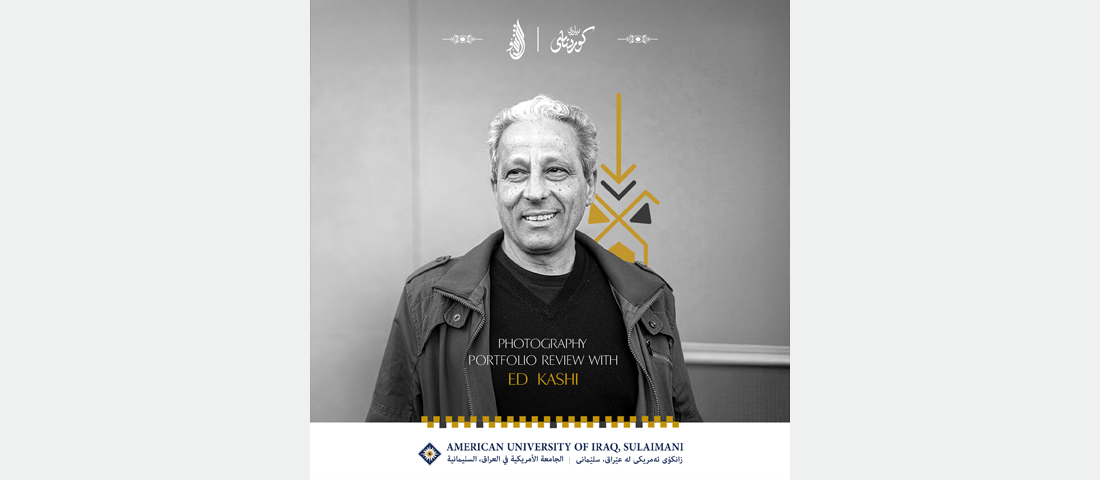
PHOTOGRAPHY PORTFOLIO REVIEW WITH ED KASHI
PHOTOGRAPHY PORTFOLIO REVIEW WITH E...
BY: PSHTIWAN BABAKR
Sat 27 Sep
⏰
04:00 P.M. - 5:00 P.M
📍 American University in Su...
CATEGORY
•
TALK AND WORKSHOP
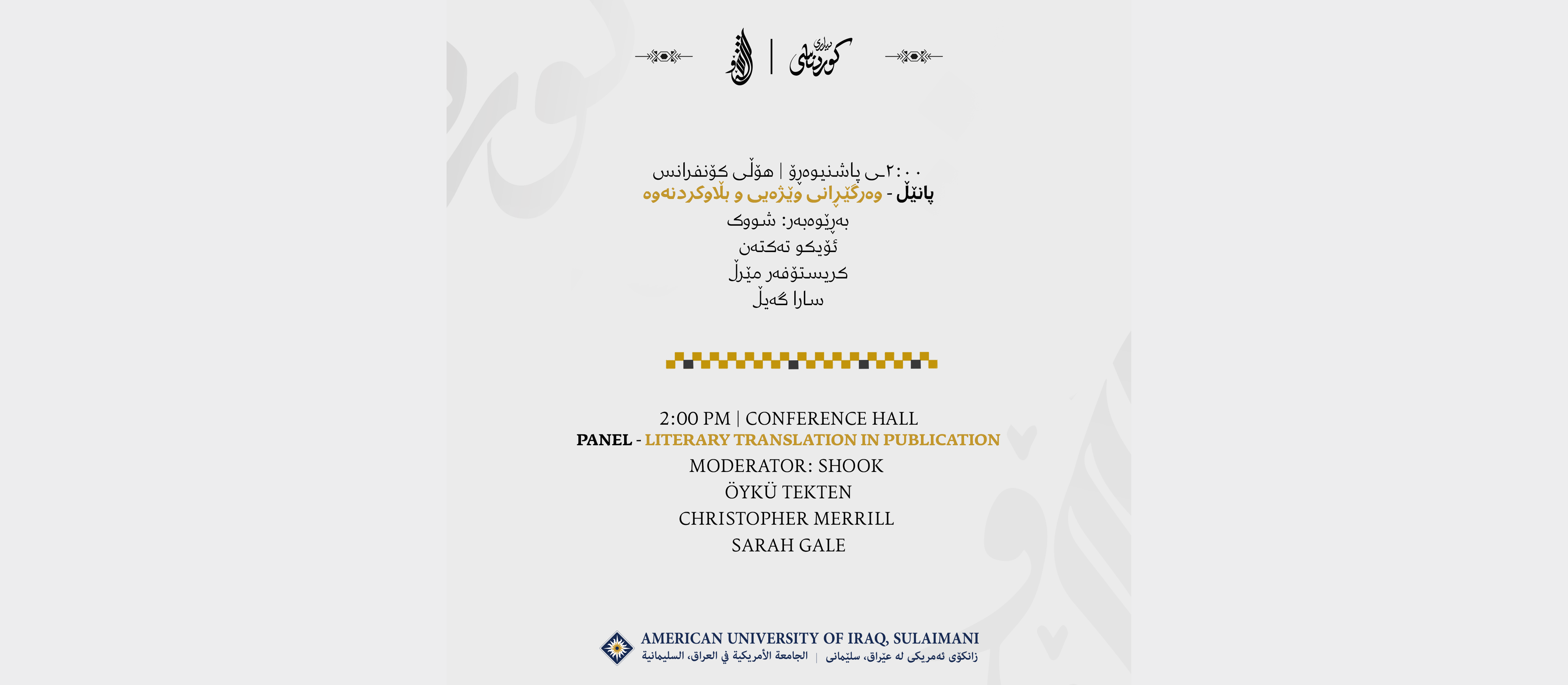
وەرگێڕانی وێژەیی و بڵاوکرد�
LITERARY TRANSLATION IN PUBLICATION
BY: PSHTIWAN BABAKR
Fri 26 Sep
⏰
2:00 PM - 3:00 PM
📍 American University in Su...
CATEGORY
•
PANEL DISCUSSIONS
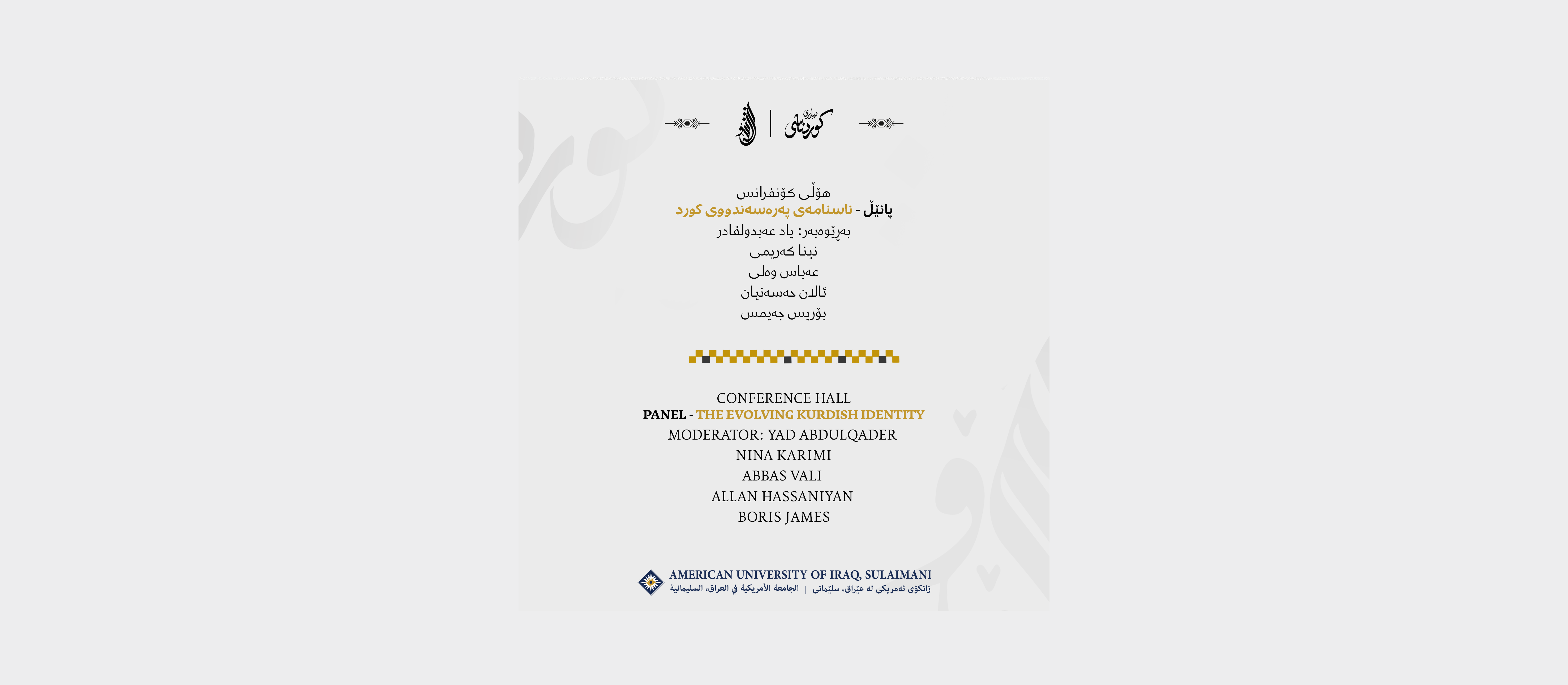
ناسنامەی پەرەسەندووی کورد
ناسنامەی پەرەسەندو...
BY: PSHTIWAN BABAKR
Fri 26 Sep
⏰
11:15 AM- 1:00 PM
📍 11:15 AM -1:00 PM
CATEGORY
•
PANEL DISCUSSIONS
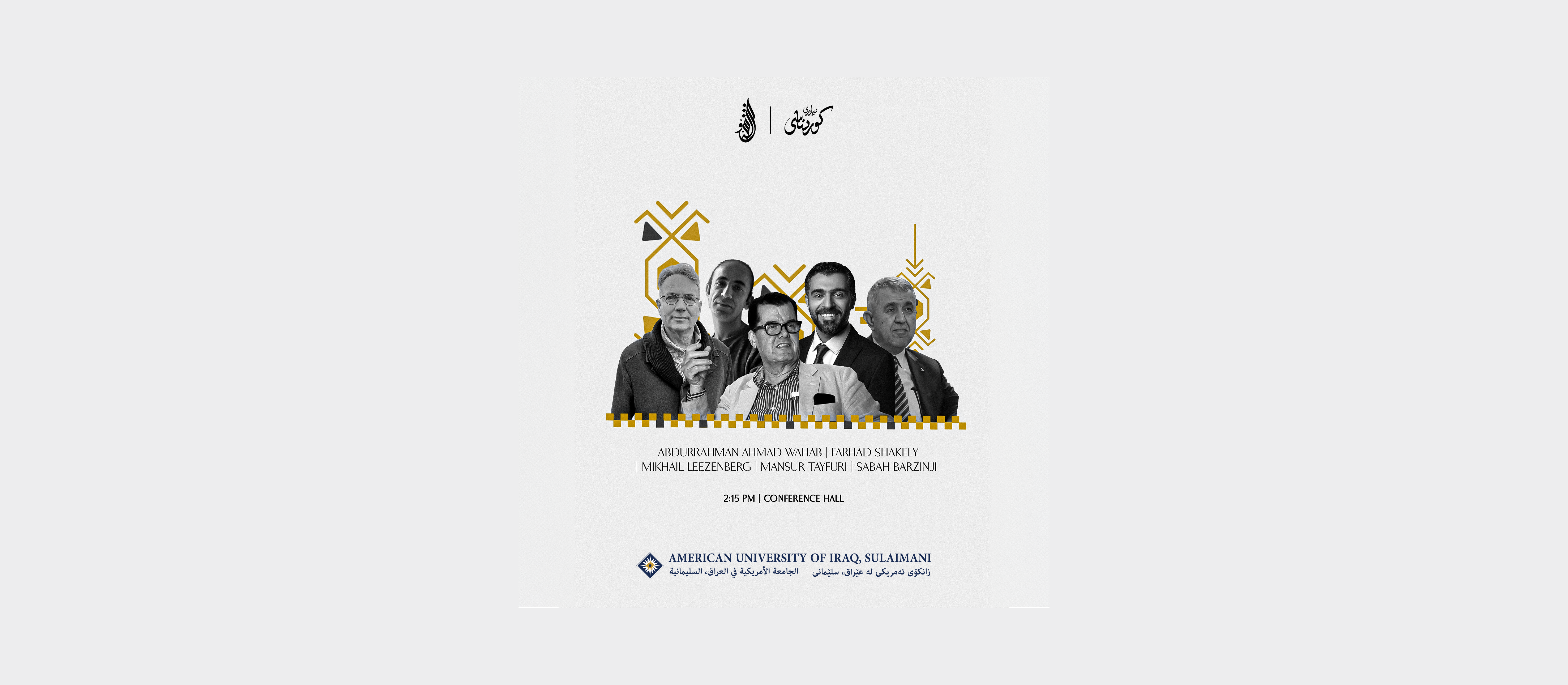
ڕۆڵی سۆفیگەری لە ژینگەی کلت
THE ROLE OF SUFISM IN THE KURDISH C...
Thu 25 Sep
⏰
2:15- 3:15 PM
📍 American University in Su...
CATEGORY
•
PANEL DISCUSSIONS
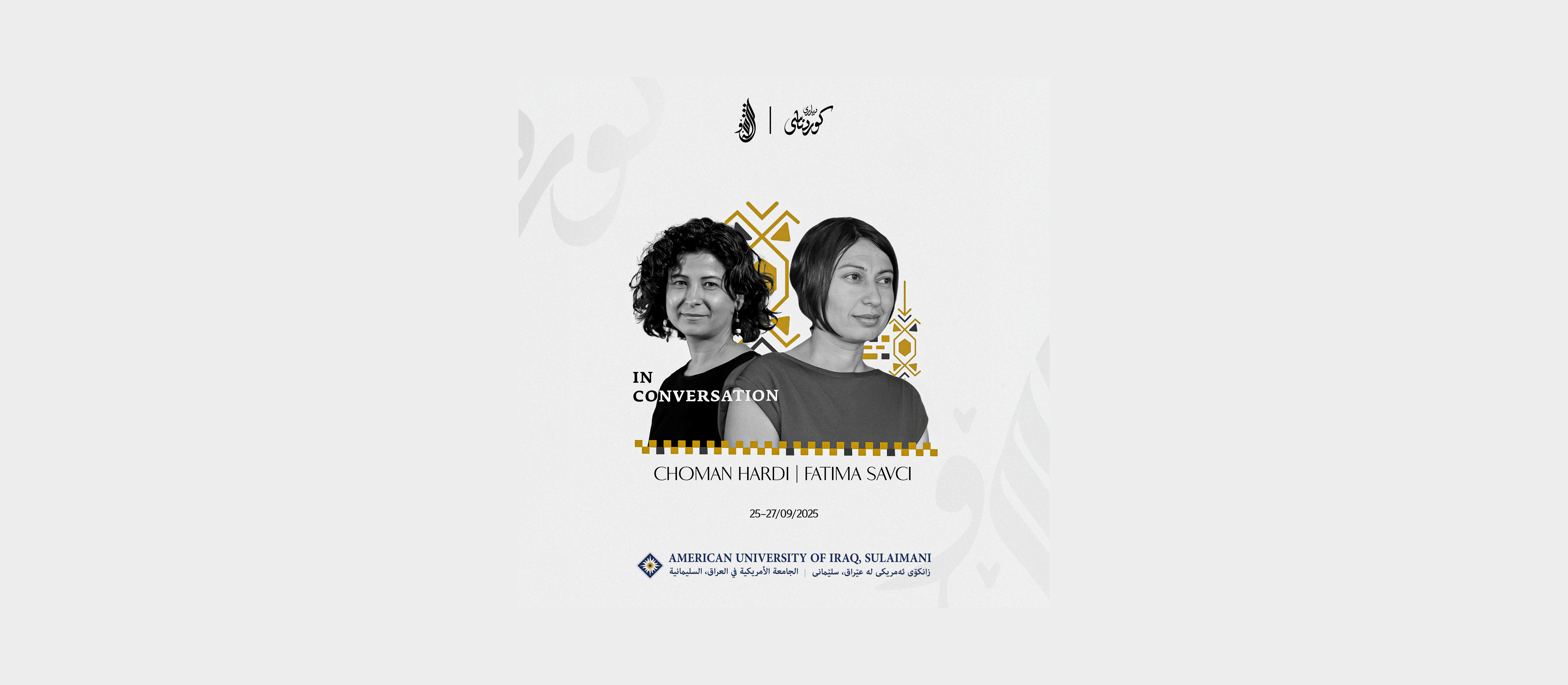
گفتوگۆی ئەدەبی
CRAFT CONVERSATION
BY: DR. ALANA MARIE LEVINSON-LABRO...
Thu 25 Sep
⏰
1:00 PM
📍 American University in Su...
CATEGORY
•
PANEL DISCUSSIONS
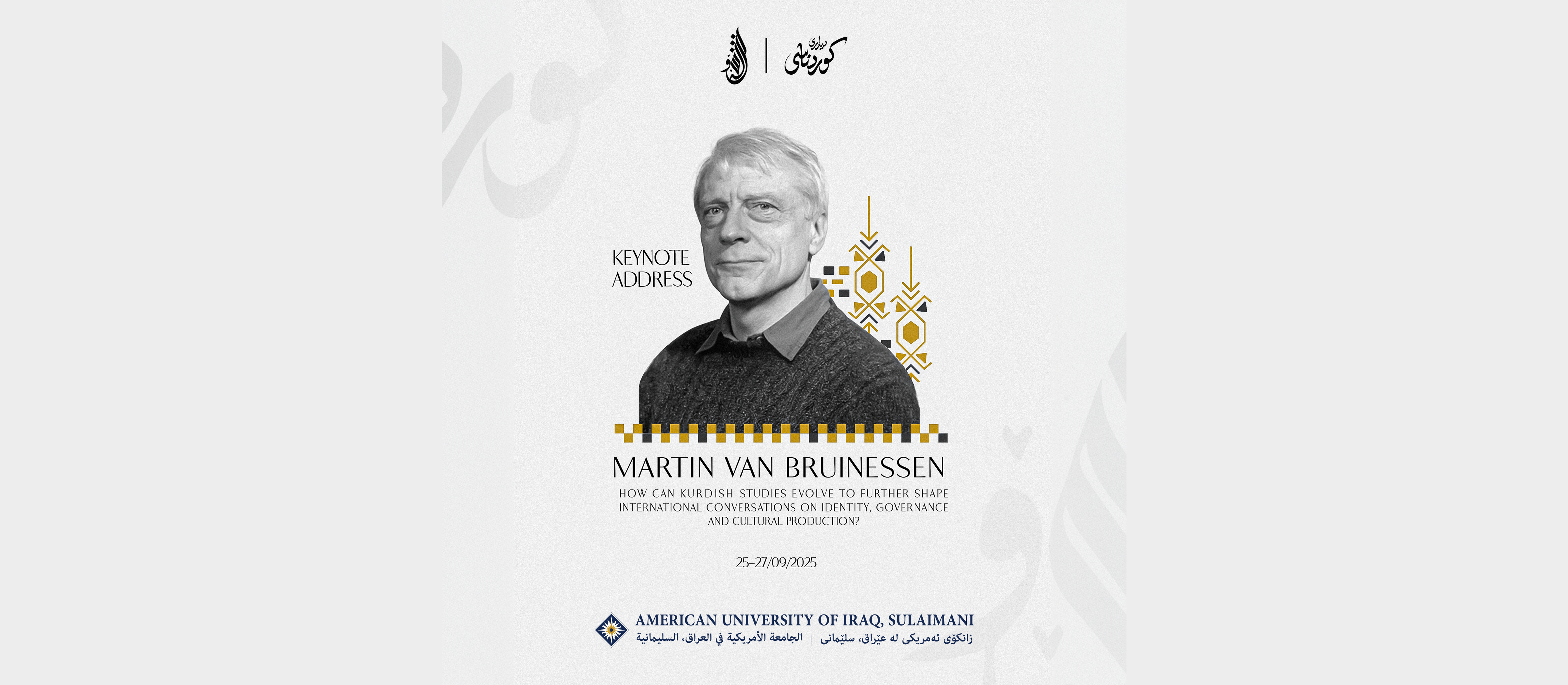
وتاری سەرەکی
KEYNOTE ADDRESS
BY: DR. ALANA MARIE LEVINSON-LABRO...
Thu 25 Sep
⏰
10:30 AM
📍 American University in Su...
CATEGORY
•
PANEL DISCUSSIONS
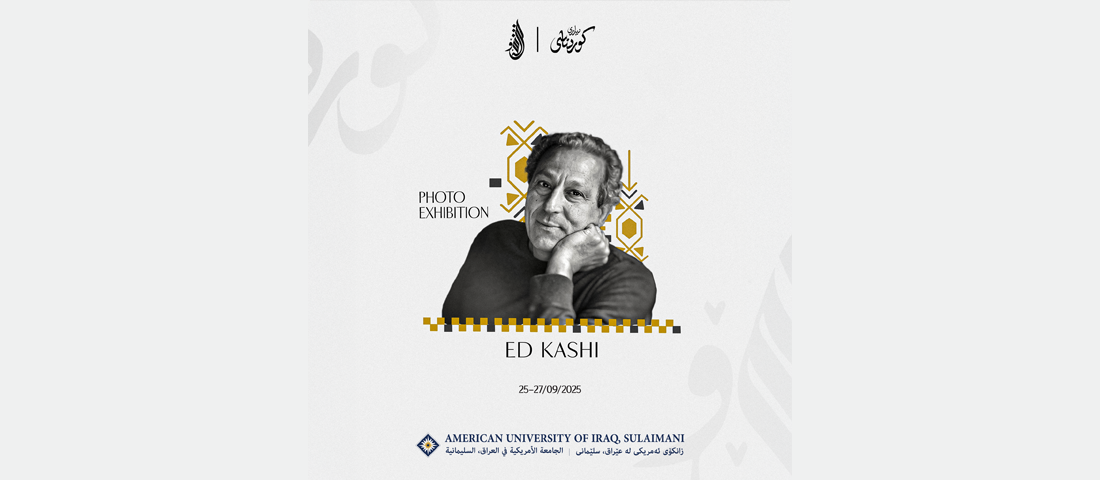
٢٠ ساڵ سنووری خوێناوی: کورد�
20 YEARS OF BLEEDING BORDERS: ED KA...
BY: PSHTIWAN BABAKR
Thu 25 Sep - Sat 25 Oct
⏰
10:00 A.M. - 5:00 P.M
📍 American University in Su...
CATEGORY
•
VISUAL ARTS
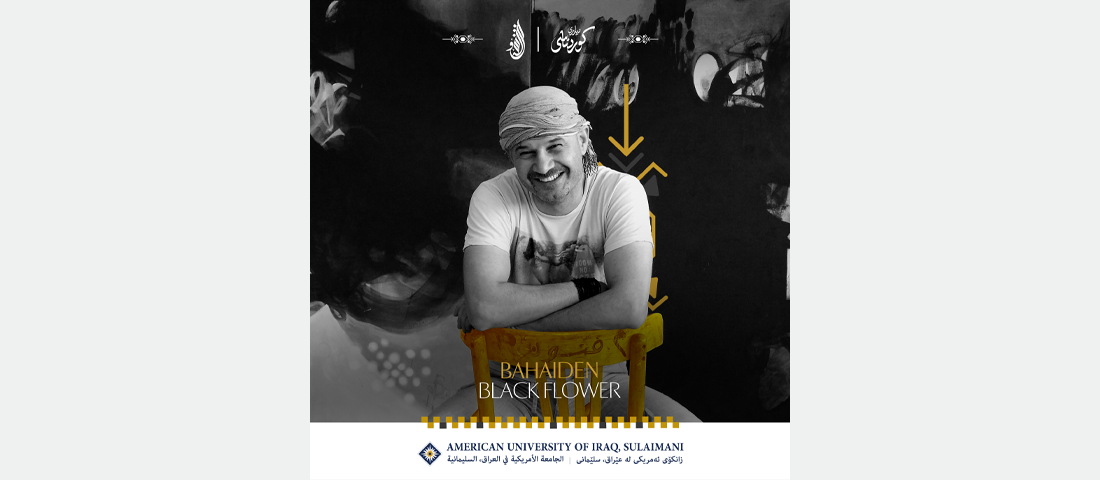
گوڵی ڕەش
BLACK FLOWER
BY: PSHTIWAN BABAKR
Thu 25 Sep - Sat 25 Oct
⏰
10:00 A.M. - 5:00 P.M
📍 The American University i...
CATEGORY
•
VISUAL ARTS
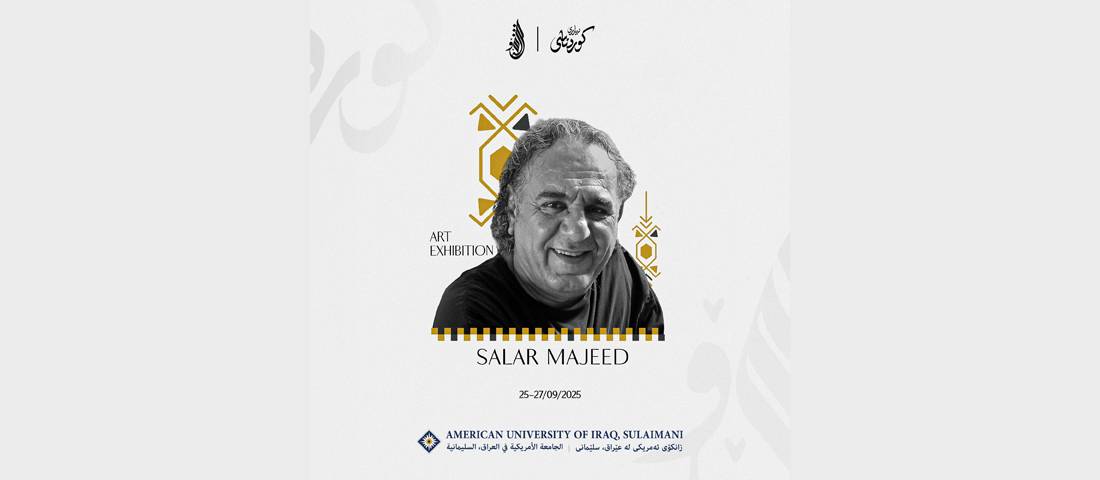
درەوشانەوەی تاریکی
A GLITTERING DARKNESS
BY: PSHTIWAN BABAKR
Thu 25 Sep - Sat 25 Oct
⏰
10:00 A.M.- 5:00 P.M.
📍 The American University o...
CATEGORY
•
VISUAL ARTS

Where it is happening...
